Anerley Hill gardeners for steep back gardens in Crystal Palace
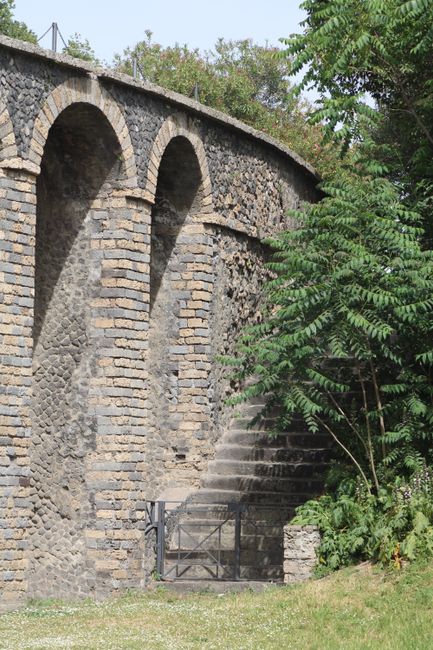
Steep back gardens can look lovely from the kitchen window and feel like hard work the moment you actually step outside. If you live near Anerley Hill in Crystal Palace, you probably know the type: narrow access, uneven steps, slippery slopes after rain, and planting beds that seem to slide downhill faster than you can tidy them. That is exactly where experienced Anerley Hill gardeners for steep back gardens in Crystal Palace make a real difference.
This guide explains what makes these gardens so tricky, how the work is usually approached, what good results look like, and how to choose the right help without overcomplicating it. You will also find practical advice on safety, maintenance, and the kinds of improvements that tend to work well on sloping plots. Truth be told, a steep garden is rarely a "quick tidy" job. But with the right plan, it can become one of the best spaces in the house.
Why Anerley Hill gardeners for steep back gardens in Crystal Palace Matters
Steep back gardens are not just "a bit awkward". They are a different kind of garden altogether. Gravity changes everything. Water runs where you do not want it. Soil can move after heavy rain. Lawn edges can slump. Even routine jobs like hedge trimming or clearing leaves can feel more demanding when the ground is on a slope.
In Crystal Palace, that matters even more because many homes sit on varied levels and older plots often have long, sloping rear gardens. A standard flat-garden approach can waste time and create more mess. A gardener used to steep gardens will usually think about access, footing, drainage, planting structure, and how to make upkeep safer over the long term. That practical judgement is the real value.
There is also a lifestyle angle. A steep garden can become a place people avoid because it feels fiddly or unsafe. Once that happens, small problems build up: overgrown edges, trip hazards, struggling plants, slippery moss on steps. A good local gardener helps reverse that pattern. The goal is not only to make it tidy for one day, but to make it manageable through the seasons.
Expert summary: On steep gardens, the best results usually come from combining tidy-up work with sensible structure, safer access, and maintenance that suits the slope rather than fighting it.
How Anerley Hill gardeners for steep back gardens in Crystal Palace Works
The process usually starts with a site assessment. That sounds formal, but in practice it is just a careful look at what you are dealing with: the gradient, the access route, drainage, the condition of steps or retaining edges, and the amount of green waste likely to be removed. On a steep plot, these details affect everything from labour time to equipment choice.
After that, the work is normally split into sensible stages. For example, a garden clearance might be needed before any shaping or planting begins. Then the gardener may move on to hedge trimming, pruning, lawn work, or light landscaping. If the slope is awkward enough, the sequence matters a lot. Clear first, cut second, improve third. Simple enough, but easy to get wrong.
There is also the question of access. Can tools be carried in safely? Is there a side path? Are there steps with enough grip? Is waste best moved in smaller loads rather than one heavy clear-out? These are the sorts of on-the-ground questions that experienced gardeners ask without making a fuss about it.
If the garden is being changed more substantially, the work may include landscaping or adding features such as terraces, raised beds, or decking in a flatter seating area. That can make a steep garden easier to use and easier to maintain. For that kind of project, it helps to look at the wider services overview and choose a mix of work that suits the shape of the plot, not just the look of it.
One thing people often overlook: steep gardens tend to need more follow-up. A one-off tidy can help, yes, but maintenance is what keeps the slope under control. That may mean regular visits for lawn mowing, hedge trimming, or seasonal garden maintenance rather than waiting until everything has run away from you. And let's face it, once a steep garden has got away, it takes twice the effort to bring it back.
Key Benefits and Practical Advantages
The biggest benefit is obvious: the work gets done safely and properly. But there are several practical advantages worth spelling out.
- Safer access and working methods: Steep gardens are easier to manage when someone uses the right footing, spacing, and cutting approach.
- Less long-term strain: Good maintenance prevents the garden becoming a bigger and more expensive project later.
- Better drainage awareness: Slopes can move water quickly, so plant choice and layout matter more than in a level garden.
- Cleaner presentation: Tidy edges, even levels, and controlled growth make a slope feel intentional rather than neglected.
- More usable space: A difficult garden can become practical for sitting, planting, or simply moving around without the "careful, careful" feeling every time.
There is a quieter benefit too: peace of mind. People often stop worrying about the back garden once they know it is being handled by someone who understands the risks. That is not a small thing. A steep, damp, overgrown slope can become one of those background worries that lingers every time it rains.
For many homes, combining mowing, trimming, selective clearance, and structural improvements creates the best outcome. If the back garden has become cluttered or overgrown, a targeted garden clearance can create the breathing room needed before anything else starts to look right.
Who This Is For and When It Makes Sense
This kind of service suits a few different situations. Some are obvious, others less so.
You may need specialised help if your garden:
- has a pronounced slope or uneven terraces
- feels unsafe after rain or frost
- has access issues, such as narrow side entrances or multiple steps
- is overgrown and hard to maintain alone
- needs reshaping rather than simple tidying
- has drainage or erosion problems
- contains trees, hedges, or boundary growth that is difficult to reach
It also makes sense if you want to prepare the garden for regular use. Maybe you have children, older relatives visiting, pets running about, or you simply want somewhere decent to sit on a summer evening with a cup of tea. A steep garden can absolutely support that, but it usually needs smarter design and more deliberate upkeep.
If the main problem is overgrowth rather than design, start with maintenance. If the layout itself is awkward, think more broadly about landscaping. And if you are somewhere in between, which is common, a combination of both tends to work best. You do not always need a dramatic redesign. Sometimes you just need the right sequence of jobs.
Step-by-Step Guidance
Here is a practical way to approach a steep back garden without overthinking it.
- Assess the slope and access. Look at where the garden is steepest, where water gathers, and how tools or waste will move in and out.
- Clear the obvious hazards. Remove loose debris, broken pots, slippery growth, and anything that creates a trip risk.
- Cut back overgrowth. Tall weeds, brambles, and hedge growth are often the first things to tackle because they hide the real condition of the space.
- Address the surface condition. Decide whether the slope needs reseeding, re-edging, better planting, or simply more regular mowing.
- Stabilise and structure. On harder sites, consider retaining edges, steps, raised beds, or a level seating area. Even a small flat zone can transform the garden.
- Set up a maintenance rhythm. Steep gardens are easier to keep under control with regular visits rather than occasional rescue missions.
If the work includes larger changes, it is worth discussing whether landscaping, landscape gardening, or a simpler tidy-up is the better fit. Not every steep garden needs construction. Some just need a sharper eye and a steadier hand.
A small real-world detail: the best results often happen when the gardener and homeowner agree on what "done" actually means. Not perfect. Not magazine-perfect. Just neat, safe, and realistic for the site. That part matters more than people think.
Expert Tips for Better Results
These are the little things that usually separate a decent result from a genuinely good one.
- Work from the top down where possible. It keeps cuttings and debris from being dragged across already-cleared sections.
- Use smaller waste loads. On a slope, carrying too much at once is awkward and can be unsafe. Smaller trips are slower, but cleaner and safer.
- Watch the weather. Wet grass, damp soil, and mossy steps can make a garden feel much steeper than it looks in dry weather.
- Prioritise edges and access routes. A tidy path or step line makes the whole garden easier to live with.
- Choose plants that suit the slope. Tough, lower-maintenance planting usually works better than delicate varieties that need constant intervention.
- Keep a clear maintenance plan. A steep garden is a bit like a car that gets used on short trips; ignore it too long and it stops behaving itself.
One more thing: if a garden has trees leaning over the slope or shading a lot of the space, it is wise to factor in arboricultural work where needed. In some cases, tree lopping and removal can improve light, reduce leaf drop, and make the garden much easier to manage. Not always. But sometimes, yes.
And for boundary growth that keeps reappearing, steady hedge trimming can make a surprising difference. Small regular cuts tend to be better than dramatic one-off battles with the hedge of doom.
Common Mistakes to Avoid
Steep gardens invite a few predictable mistakes. Avoiding them saves time, money, and a fair bit of frustration.
- Treating the garden like it is flat. That is the classic one. It leads to poor access planning and unnecessary strain.
- Leaving clearance too long. The bigger the overgrowth, the harder it is to see the underlying problems.
- Ignoring drainage. Water running downhill can create erosion, slippery patches, and unhealthy planting conditions.
- Choosing decorative fixes before practical ones. A steep garden needs structure before styling.
- Trying to do everything in one go. On a difficult site, phased work is often more sensible.
- Assuming every contractor has steep-garden experience. They may be excellent on flat plots but less confident on slopes. Different skill set, really.
There is also a quieter mistake: asking for too much precision too soon. On an unruly slope, the first visit often reveals more than expected. Good gardeners will usually adjust the plan once they have seen the ground properly. That is a strength, not a delay.
Tools, Resources and Recommendations
For steep back gardens, the right tools matter, but the right judgement matters more. Still, useful kit usually includes long-handled cutters, sturdy gloves, lightweight clearance tools, secure wheelbarrows or waste bags, and equipment suited to awkward footing. Where lawn areas are involved, regular lawn mowing keeps the surface more even and helps spot issues before they spread.
Some gardens benefit from more structured improvements such as decking or defined seating platforms. A level outdoor surface can make a steep plot much more usable, especially if one part of the garden always feels too awkward to sit on. In those cases, decking services may be a practical part of the solution rather than a cosmetic extra.
For ongoing upkeep, a routine plan is often the best resource of all. Regular visits, even if brief, keep the slope from becoming overwhelming. If you know the garden needs periodic attention rather than a one-off rescue, garden maintenance is usually the clearest way to keep things under control.
It also helps to think about waste handling and sustainability. Steep gardens often produce a lot of cuttings, roots, and heavy green waste after a clearance. Responsible sorting and recycling should be part of the conversation from the beginning, not an afterthought. That saves mess and usually keeps the job more organised too.
Law, Compliance, Standards, or Best Practice
For most homeowners, there is no complicated legal process just because the garden is steep. But there are still sensible standards and responsibilities to bear in mind. Work should be carried out safely, with appropriate care for access, lifting, tools, and the condition of the site. That is basic best practice, and on a steep plot it matters more than usual.
If trees are involved, especially large or potentially hazardous ones, the work should be approached cautiously. In the UK, tree work can sometimes involve protected trees or conservation considerations, and local rules may apply. A careful assessment before major pruning or removal is the sensible route. Better to check first than to create a bigger problem later.
For homeowners, it is also reasonable to expect clear communication around pricing, scope, payment, and what happens if conditions on site are different from expected. Good providers should be upfront about this. You can review practical details in the site's pricing and quotes information, along with the company's approach to insurance and safety and health and safety policy.
One useful benchmark: if a job sounds risky, rushed, or vague, it probably needs a better plan. That is not being fussy; that is being sensible.
Options, Methods, or Comparison Table
Different steep gardens need different approaches. Here is a simple comparison to help you think it through.
| Approach | Best for | Pros | Trade-offs |
|---|---|---|---|
| Routine garden maintenance | Managed slopes that just need regular care | Keeps growth under control, easier to budget for | Won't solve structural problems |
| Garden clearance | Overgrown or neglected steep gardens | Quickly restores visibility and access | May reveal deeper issues that need follow-up |
| Landscaping | Gardens needing layout changes or slope management | Improves use, access, and long-term practicality | More planning and a bigger commitment |
| Decking or hard standing | Areas where you want a flat seating zone | Creates usable space on difficult ground | Needs proper design and installation |
If your garden is mainly messy but structurally fine, clearance and maintenance may be all you need. If the ground itself is the problem, a more considered landscaping plan is usually better. A bit of honesty here saves a lot of expense.
Case Study or Real-World Example
Imagine a typical back garden off Anerley Hill: a long narrow slope, patchy lawn near the house, a tangled hedge at the boundary, and a lower section that never quite dries out after rain. The owner has been doing bits and pieces for years, but the garden now feels awkward rather than enjoyable. Nothing dramatic. Just one of those spaces that quietly becomes a chore.
The first visit focuses on making the site safe and readable. Debris is cleared, the hedge is cut back, the lawn is neatened, and the worst of the overgrowth is removed so the underlying shape can be seen. Once the clutter is gone, it becomes obvious where the water runs, where the best light falls, and which parts of the slope are worth keeping as planting areas.
From there, the plan shifts. A small level area near the house is kept for seating. The steeper lower section is simplified with hardier planting and easier access. A regular maintenance schedule is agreed so the space does not slide back into chaos. Nothing flashy. But the garden suddenly feels like it belongs to the house again.
That is the real pattern with steep gardens. The win is not just in the before-and-after photo. It is in the change from "avoid it" to "use it."
Practical Checklist
Use this checklist before booking work on a steep back garden.
- Check how steep the main access route really is.
- Note where water collects after rain.
- Look for loose steps, slippery surfaces, or broken edging.
- Decide whether you need clearance, maintenance, landscaping, or a mix.
- Identify trees, hedges, or thick boundary growth that may need attention.
- Think about how waste will be removed from the site.
- Consider whether you want a seating area, terrace, or more usable flat space.
- Ask how the work will be staged if the garden is in poor condition.
- Review safety, insurance, and payment terms before the job starts.
- Plan for follow-up maintenance so the garden stays manageable.
If you want a broader view of the company's working approach, it is also worth reading the about us page alongside the practical service information. It gives you a better sense of how the work is organised and what kind of support is available.
Conclusion
Steep back gardens in Crystal Palace can be frustrating, but they are rarely hopeless. With the right planning, the right tools, and a sensible maintenance rhythm, they can become calmer, safer, and much more usable. The key is not to fight the slope blindly. Work with it. Shape it. Keep it manageable.
Anerley Hill gardeners for steep back gardens in Crystal Palace bring value by understanding the practical side of sloping sites: access, drainage, safety, and how to keep the job realistic over time. Whether you need clearance, trimming, mowing, or a more ambitious landscaping rethink, the right help can make the garden feel like part of the home again rather than a problem at the back door.
If you are ready to take the next step, start with a clear plan, a realistic brief, and a provider who understands steep-garden work properly. You do not need perfection. You need progress, and a garden that feels good to walk into on an ordinary Tuesday evening.
Get a free quote today and see how much you can save.
Frequently Asked Questions
What makes a steep back garden harder to maintain?
Steep gardens are harder to maintain because water runs downhill, footing is less stable, access is awkward, and waste is more difficult to move. Even simple jobs can take longer and need more care.
Can gardeners work safely on very sloping gardens?
Yes, if they use sensible methods, suitable equipment, and a cautious approach to access and footing. The key is not rushing and not treating the slope like a flat lawn.
Do I need clearance before landscaping a steep garden?
Often, yes. If the garden is overgrown, a clearance phase helps reveal the real shape of the site and makes later decisions much easier. It is hard to plan properly when you cannot see the ground.
Is regular maintenance enough for a steep garden?
Sometimes it is. If the structure is already workable, regular maintenance can keep the slope neat and manageable. If the layout is poor or the ground is unstable, more substantial changes may be needed.
What should I ask before booking work on a steep garden?
Ask how the site will be assessed, how access will be handled, whether the job will be staged, what happens with waste, and whether the work needs any safety considerations. Those questions are practical, not awkward.
Can decking help with a sloping garden?
Yes, decking can create a level and usable area where the natural ground is too uneven for comfortable use. It is especially helpful near the house or in a section that gets good light.
Will hedge trimming make a steep garden easier to manage?
It often will. A heavily overgrown hedge can make a slope feel darker, narrower, and more cluttered. Trimming it back can improve light, access, and overall tidiness.
How do I know whether my garden needs landscaping rather than simple tidying?
If the main issue is overgrowth, tidying may be enough. If the slope itself makes the garden unsafe, awkward, or hard to use, landscaping is usually worth considering.
Are trees a problem in steep back gardens?
Not always, but they can be. Trees may add shade, leaf fall, root competition, or access difficulties. In some cases, tree work can make the space much easier to manage, though it should always be assessed carefully.
How often should a steep garden be maintained?
That depends on growth rate, exposure, and how much use the garden gets. Many sloping gardens benefit from regular visits rather than waiting for a full seasonal reset.
What if my garden gets slippery after rain?
That is a sign to look closely at drainage, surface materials, moss, and access routes. Slippery conditions should be dealt with promptly because a steep garden becomes much more hazardous when wet.
Where can I find more details about services and next steps?
You can review the company's services overview, then check the relevant service pages for the kind of work your garden actually needs. That usually makes the next decision much clearer.