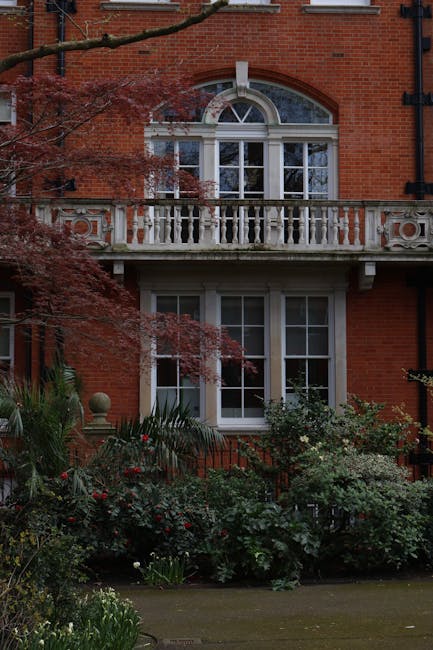
Crystal Palace gardeners guide to Westow Street front gardens
Westow Street has its own rhythm. Busy pavements, passing foot traffic, narrow front plots, a mix of period homes and practical modern updates. If you are looking for a Crystal Palace gardeners guide to Westow Street front gardens, you probably want something more useful than generic planting advice. You want a front garden that looks good from the street, works in real life, and does not become a weekend headache every few weeks.
That is exactly what this guide is for. We will look at what makes front gardens on Westow Street a little different, how to plan them properly, what tends to work in Crystal Palace, and where people commonly go wrong. You will also find a step-by-step approach, a comparison table, a practical checklist, and a few grounded tips that come from everyday gardening realities rather than glossy brochure promises. Truth be told, front gardens are often judged in about three seconds. So let's make those three seconds count.
For readers who want help from a local team, you can also explore the broader gardening services overview, read more about the Crystal Palace gardeners, or see pricing and quote options before deciding what level of support makes sense.
Table of Contents
- Why Crystal Palace gardeners guide to Westow Street front gardens matters
- How Crystal Palace gardeners guide to Westow Street front gardens works
- Key benefits and practical advantages
- Who this is for and when it makes sense
- Step-by-step guidance
- Expert tips for better results
- Common mistakes to avoid
- Tools, resources and recommendations
- Law, compliance, standards, or best practice
- Options, methods, or comparison table
- Case study or real-world example
- Practical checklist
- Conclusion
- Frequently asked questions
Why Crystal Palace gardeners guide to Westow Street front gardens Matters
Front gardens are doing a lot more work than people give them credit for. On Westow Street, they shape kerb appeal, soften the streetscape, and influence how a home feels before anyone even crosses the threshold. A front garden that is tidy but dull can make a property feel flat. A front garden that is beautiful but high-maintenance can become a burden very quickly.
That balance matters in Crystal Palace, where homes often sit close together and the front boundary is highly visible. A well-planned front garden can help with privacy, drainage, biodiversity, and general day-to-day pride in the property. It can also reduce the sort of scruffy edge that creeps in when a space is treated as an afterthought. You know the kind of thing: one overgrown shrub, a cracked path, weeds nudging through the paving, and suddenly the whole frontage looks tired.
There is also a practical side. Front gardens are often smaller than back gardens, which means every square metre has to earn its keep. That makes design choices more important, not less. Do you want a welcoming entrance? Somewhere for pollinators? A neat low-maintenance layout? A mix of planting and hard landscaping? Those decisions are easier when you think through how the space is used, seen, and maintained over the year.
Expert summary: The best front gardens on Westow Street are usually not the most complicated ones. They are the ones with clear structure, sensible planting, and a maintenance plan that a real person can actually keep up with.
How Crystal Palace gardeners guide to Westow Street front gardens Works
Think of front garden planning as a three-part process: assess, design, and maintain. That sounds simple enough, and in fairness it is. But the quality of the result depends on how honestly you handle each stage.
1. Assess the site
Start with the basics. How much sun does the front garden get? Is it shaded by a tree or neighbouring building? Does water collect after rain? Is the soil heavy and sticky, or light and dry? Westow Street front gardens often have to cope with pavement edge conditions, foot traffic, and a surprising amount of shade and reflected heat in some spots. Morning light can be different from the afternoon feel; you will notice this if you stand outside for a few minutes and actually watch the space.
2. Decide the main purpose
Front gardens usually have one or two priorities, not six. You might want:
- a clean, welcoming entrance
- low-maintenance structure
- pollinator-friendly planting
- better drainage and less puddling
- more privacy without feeling blocked in
- a layout that suits bins, bikes, or stepping access
The goal is not to cram everything in. It is to choose the right trade-offs for the home and the people living there.
3. Build the design around maintenance
A front garden fails when the design assumes more time than the household can realistically spare. If you only want to spend twenty minutes on it each fortnight, choose evergreens, ground cover, and a simple structure. If you enjoy regular gardening, you can go for seasonal colour, clipped hedging, and more varied planting. There is no moral victory in a complicated planting scheme that becomes a mess by June.
In local work, we often find that a front garden improves most when the layout is simplified first, then planting is layered in. That sequence keeps the garden looking calm. Not bland. Calm.
Key Benefits and Practical Advantages
A thoughtful front garden delivers more than good looks. It can make the whole property feel easier to live with.
- Stronger first impression: A well-kept frontage instantly lifts the appearance of the house.
- Better everyday use: Clear paths, defined beds, and sensible access make comings and goings smoother.
- Lower ongoing stress: Good plant choices reduce the need for constant tidying and rescue jobs.
- Improved seasonal interest: You can have structure in winter, softness in spring, and colour through summer without overcomplicating things.
- Support for wildlife: Small front gardens can still support pollinators and birds if planted carefully.
- Better water management: Permeable surfaces and planting can help with surface water in practical, everyday ways.
There is a less obvious benefit too. When a front garden is orderly, people tend to treat it with more care. Visitors notice. Neighbours notice. Even the postman notices, and he has seen everything.
Who This Is For and When It Makes Sense
This guide is for anyone responsible for a Westow Street front garden, especially if you want it to look good without turning into a chore. It is useful if you are a homeowner, a landlord, a tenant with permission to improve the frontage, or someone helping a family member keep the property presentable.
It also makes sense if:
- the front garden currently feels messy or underused
- you are preparing a home for sale or rental
- you want a more welcoming entrance without major building work
- plants keep failing and you are not sure why
- you want a design that works with a modest budget
- you need a local gardener who understands small urban front plots
Not every front garden needs a full redesign. Sometimes a clear-up, pruning session, and replanting of a few core areas is enough. Other times the lawn has gone patchy, the soil is exhausted, and the edging is doing no one any favours. That is when a bigger reset may be the better call.
If you are comparing options, it can help to look at the wider support available through gardening and maintenance services and then decide whether you need a one-off tidy, a planting refresh, or ongoing care.
Step-by-Step Guidance
Step 1: Clear the space properly
Start with the obvious: remove litter, dead plant material, spent annuals, and anything that blocks the structure of the garden. This is where the real shape of the space starts to appear. Without clutter, you can finally see what is worth keeping.
Step 2: Inspect soil, shade, and drainage
Look at what the garden is telling you. If plants look weak in one corner, maybe the soil is too dry or too compacted. If moss is thriving, maybe there is too much shade and moisture. If water gathers after rain, think about whether the surface is sealed too tightly or whether the bed levels need adjusting.
Step 3: Define the framework
Choose the permanent parts first: path, steps, edges, hedge line, fence, or container positions. Front gardens need structure. Even a small one. Without a framework, the planting tends to feel accidental.
Step 4: Pick a planting style that fits the house
Westow Street homes vary, but the best planting styles usually respect the architecture rather than fighting it. A Victorian frontage often suits layered, cottage-style planting with restrained repetition. A more modern frontage may look better with bold evergreens and sharper lines. It does not need to be perfect, just coherent.
Step 5: Add plants in layers
Use a mix of height and texture. Ground cover at the front. Mid-height perennials or shrubs behind. A few taller features if space allows. Repetition helps, especially in a small garden, because it creates calm. Too many different species can make a tiny front garden look busier than it needs to be.
Step 6: Finish with edging and details
Edging, mulch, containers, and lighting matter more than many people think. They bring the design together. Even one or two tidy details can make a front garden feel intentional rather than improvised.
Step 7: Set a maintenance routine
Without routine, a neat front garden slowly slips. Then it slips faster than you expect. A light weekly tidy, seasonal pruning, and a few minutes of weeding can keep the whole thing in shape. For many homeowners, the simplest plan is the best one.
Expert Tips for Better Results
Here are the kinds of practical tips that make a noticeable difference in a real front garden.
- Repeat plants in groups: Three or five of the same plant often looks better than a random mix of singles.
- Keep the palette tight: Two or three main flower colours can be more effective than six competing ones.
- Use evergreens for backbone: They hold the garden together in winter, which matters more than people think.
- Choose plants that can take urban conditions: Exposure, shade, dry edges, and occasional foot traffic are all part of the deal.
- Mulch where you can: It suppresses weeds and helps the soil retain moisture. Simple, but brilliant.
- Think from the pavement in: If the view from the street looks awkward, the whole garden feels off.
- Be honest about time: If the garden needs more care than you can give, scale back the complexity. No shame in that.
A small sensory thing, but useful: stand at the gate on a damp morning. If the garden smells earthy and fresh, looks tidy from the pavement, and feels easy to move through, you are probably on the right track. That is the test, more than any fancy design phrase.
Common Mistakes to Avoid
Most front garden problems are not dramatic. They are the slow, everyday mistakes that pile up.
- Overplanting: Too many plants make the space look cramped and create maintenance headaches.
- Ignoring the entrance path: The walk to the front door should feel clear and welcoming, not awkward.
- Choosing plants for a garden centre moment rather than the actual site: Pretty plants do not always suit shade, heat, or dry soil.
- Using too much hard landscaping: Stone-heavy layouts can feel harsh and reduce biodiversity.
- Skipping regular pruning: A shrub left a little too long can quickly dominate a small frontage.
- Forgetting front garden practicality: Space for bins, bikes, parcels, and daily movement matters.
- Letting weeds establish in the first place: Once they are in, they seem to have rent control.
Another subtle mistake is designing for spring only. A front garden needs to look decent in November too, when the sky is low and the light is thin. That is where structure earns its keep.
Tools, Resources and Recommendations
You do not need a garage full of gear to keep a front garden in good shape, but the right basics help. For most jobs, a practical toolkit includes hand trowels, secateurs, a hoe or hand weeder, a sturdy broom, watering equipment, gloves, and a few bags for green waste. If you are dealing with compacted soil or a full redesign, you may also need edging tools, spades, and materials for mulch or top dressing.
When choosing help, look for a service that is clear about maintenance, safety, and communication. That matters as much as gardening skill. A good starting point is the company's insurance and safety information, especially if work includes pruning, ladder use, waste removal, or tools near the pavement. You can also review the health and safety policy if you want to understand how the work is handled on site.
For customers concerned about household waste and greener practices, it is worth checking the recycling and sustainability approach. A front garden tidy-up can create a fair bit of material, and it is reassuring when that is handled responsibly rather than just bundled away without thought.
Law, Compliance, Standards, or Best Practice
Front garden work is usually straightforward, but there are still sensible standards to keep in mind. If work affects the pavement, boundary, or public access, it should be planned carefully so it does not create trip hazards or obstruct the footway. Overhanging growth should be trimmed responsibly. Waste should be removed and handled in line with normal good practice. And if you are working on a property with shared boundaries, it is wise to be clear about what belongs to whom before making changes.
For homeowners and landlords, the bigger picture is simple: keep the frontage safe, tidy, and appropriate for the property. If the garden contains older walls, steps, or uneven surfaces, those elements need attention before decorative planting becomes the main event. It sounds obvious, but people sometimes skip straight to the pretty part. Then the loose slab gets everyone's attention instead.
Professional gardeners should also be transparent about terms, payments, and customer expectations. If you are arranging work, it helps to review the terms and conditions and payment and security details so there are no surprises. If anything is unclear, ask. Plain speaking saves hassle later.
And if you need a sense of how customer concerns are handled, there is also a complaints procedure available for review. That is not the exciting part, admittedly, but it is part of a trustworthy service setup.
Options, Methods, or Comparison Table
Different front garden approaches suit different homes. Here is a simple comparison to help you decide what fits your Westow Street frontage best.
| Approach | Best for | Maintenance level | Look and feel | Notes |
|---|---|---|---|---|
| Low-maintenance structure with evergreens | Busy households and smaller plots | Low | Neat, calm, year-round | Good if you want reliable results without constant replanting |
| Seasonal planting border | People who enjoy gardening through the year | Medium to high | Soft, colourful, changing | Needs regular tidying and a bit more attention |
| Mixed planting with hard edges | Homes needing both structure and softness | Medium | Balanced, polished | A very practical option for many Crystal Palace front gardens |
| Container-led frontage | Very small spaces or rental properties | Low to medium | Flexible, tidy, adaptable | Easy to refresh, but containers need watering and feeding |
| Wildlife-friendly design | People wanting more biodiversity | Medium | Natural, layered, informal | Works best with a little discipline so it does not drift into untidiness |
In practice, many front gardens use a blend of these methods. That is often the smartest route. A little structure, a little planting, not too much fuss.
Case Study or Real-World Example
Here is a realistic example, based on the kind of front garden we often see in Crystal Palace. A narrow Westow Street frontage had a tired paved area, a couple of overgrown shrubs, and a bed that had become mostly weeds. From the pavement it looked neglected. From the doorway it felt even smaller than it was.
The fix was not dramatic. The shrubs were assessed and one was removed to open the space. The remaining planting was reduced to a cleaner structure with low-maintenance evergreens and a few seasonal plants for colour. The path was edged more clearly, weeds were cleared properly, and a mulch layer was added to keep the beds calmer through the season. A single container near the entrance added life without blocking movement.
The result was not a show garden. It was better than that. It looked like a home that was looked after. The front door felt more inviting, the planting made sense, and upkeep became manageable. That is usually the sweet spot for a front garden. Not flashy. Just right.
Practical Checklist
Use this before starting or refreshing a Westow Street front garden.
- Check how much sun, shade, and wind the space gets.
- Look for drainage issues, compacted soil, or standing water.
- Decide the main purpose: welcome, privacy, low maintenance, biodiversity, or a mix.
- Keep the layout simple enough to maintain all year.
- Choose plants that suit the actual conditions, not just the look.
- Make the entrance path clear and safe.
- Use repetition to create calm and visual order.
- Edge beds neatly so the space feels deliberate.
- Plan for winter interest as well as summer colour.
- Set a realistic maintenance routine and stick to it.
- Review safety, insurance, and terms if you are hiring a gardener.
- Ask about waste handling and recycling if a clearance is involved.
One small habit helps a lot: step back every few weeks and look at the frontage from the pavement. If it reads well from there, you are probably doing fine.
Conclusion
A good front garden on Westow Street does not have to be complicated. In fact, the strongest ones are usually the clearest: a tidy framework, planting that suits the site, and a level of maintenance that fits real life. That is the heart of any good Crystal Palace gardeners guide to Westow Street front gardens. It is not about making things perfect. It is about making them work, look good, and stay manageable.
If you are starting from scratch, begin with the structure. If the garden already has some good bones, refine the planting and improve the maintenance rhythm. Either way, small improvements can make a surprisingly big difference. Sometimes one clear edge and a better plant choice changes the whole mood of the house. Funny how that happens.
If you are ready to take the next step, speak with a local team that understands front gardens, small urban spaces, and the day-to-day realities of keeping them looking sharp. Contact the team here if you want to discuss your garden and what would make the most sense for it.
Get a free quote today and see how much you can save.
And if you want reassurance on who you are working with, you can also visit the about us page for more background before you decide. Sometimes it is the small, steady choices that make the nicest gardens.
Frequently Asked Questions
What makes Westow Street front gardens different from other Crystal Palace gardens?
They are often smaller, more visible from the pavement, and more exposed to day-to-day foot traffic and street-side conditions. That means structure, access, and tidy presentation matter a lot.
What are the best low-maintenance plants for a front garden?
Evergreens, hardy shrubs, and ground cover plants are usually the safest place to start. The best choice still depends on shade, soil, and how much time you want to spend on upkeep.
Do front gardens need a lot of colour to look good?
Not really. A restrained colour palette often looks better in a small frontage. Texture, foliage shape, and year-round structure can do more work than a crowded mix of flowers.
How often should a front garden be maintained?
Light attention weekly or fortnightly is usually enough for a modest front garden, with pruning and seasonal tidy-ups as needed. If it is allowed to run for months, the job becomes bigger than it needs to be.
Can a small front garden still help with wildlife?
Yes, absolutely. Even a compact space can support pollinators with the right flowers, some shelter, and a little variety in planting. You do not need a huge plot to make a difference.
What should I do if my front garden has poor drainage?
Start by identifying where water collects and whether the surface is too sealed or compacted. Depending on the cause, you may need better soil preparation, changes to levels, or more permeable planting areas.
Is container planting a good option for front gardens?
Yes, especially for very small spaces or when you want flexibility. Containers work well, but they do need watering, feeding, and occasional refreshing, so they are not entirely hands-off.
How do I make a front garden look tidy without overdoing it?
Use repetition, clean edges, a narrow plant palette, and clear access to the door. Often the tidiest-looking gardens are the simplest ones. They feel calm rather than crowded.
What should I ask before hiring a gardener for a front garden job?
Ask what is included, how waste is handled, whether insurance is in place, and how payment works. It is also worth checking the service standards and any relevant policies before work begins.
Can a front garden improve kerb appeal quickly?
Yes. Even a basic clearance, pruning session, fresh edging, and a few well-chosen plants can change the look of a frontage very quickly. Sometimes the before-and-after difference is bigger than expected.
How do I know if my front garden needs a full redesign?
If the layout no longer works, plants are failing repeatedly, or maintenance has become too difficult, a redesign may be the better option. If the bones are good, a targeted refresh is often enough.
Where can I find more information about the company before booking?
You can review the services overview, learn more on the about us page, and check practical details such as pricing and quotes and contact information.