Gipsy Hill gardeners low maintenance planting tips: a practical guide for easy, resilient gardens
If you want a garden that looks calm and cared for without demanding every spare evening, you are in the right place. These Gipsy Hill gardeners low maintenance planting tips are for people who love a good garden but do not fancy spending weekends constantly deadheading, replacing tired plants, or chasing lawns that never quite behave. Truth be told, the best low-maintenance planting is not about doing less by accident. It is about making a few smart choices up front so the garden settles in, grows steadily, and stays looking respectable with far less effort.
In Gipsy Hill, gardens often have their own quirks: shaded corners, awkward slopes, front gardens that need to look tidy from the street, and smaller spaces where every plant has to earn its keep. That is exactly why a practical planting plan matters. Below, you will find clear advice on plant selection, layout, soil improvement, seasonal care, and the mistakes that tend to create more work than they save.
Think of this as the difference between a garden that needs constant rescue and one that quietly gets on with the job. Much nicer, honestly.
Why Gipsy Hill gardeners low maintenance planting tips Matters
Low maintenance planting matters because most people do not actually want a high-maintenance garden; they want a garden that looks good, feels usable, and does not become a chore. In Gipsy Hill, where many gardens are compact or partially shaded and where time is often tighter than you would like, the wrong planting choices can create a surprisingly heavy workload. A border full of thirsty annuals, for example, might look cheerful in May and then turn into a weekly watering commitment by midsummer. That gets old quickly.
Good low-maintenance planting gives you structure first, then interest, then seasonal variation. That order matters. If you start with the right backbone plants, the rest becomes much easier. The garden begins to work with the space rather than against it. And that is the real goal, isn't it?
There is also a practical local angle. Many London gardens face compacted soil, partial shade from neighbouring buildings, and pressure from heat reflection off paving or walls. A plant that looks fine in a glossy magazine spread may sulk badly in a real Gipsy Hill garden. Choosing plants that tolerate your actual conditions is far better than chasing something fashionable and fragile.
Another reason this approach matters is longevity. Cheap, quick-fix planting often costs more over time because it needs replacing, propping up, or constantly feeding. By contrast, a well-planned scheme can settle in and then largely look after itself apart from sensible seasonal tasks like pruning, mulching, and occasional reshaping. Less drama. More garden.
How Gipsy Hill gardeners low maintenance planting tips Works
The basic idea is simple: reduce the amount of intervention the garden will need by making each plant and each planting area do more of the work. That means choosing robust species, grouping plants with similar water and light needs, improving soil so roots establish properly, and avoiding layouts that create constant maintenance pressure.
A low maintenance garden is not a no-maintenance garden. That would be wishful thinking, and gardens do not really do wishful thinking. They do weather, growth, and the occasional surprise. But they can be designed so that routine care is manageable rather than relentless.
In practice, the system works through a few connected decisions:
- Plant selection: use hardy, reliable plants that suit the site.
- Plant density: plant close enough to suppress weeds without overcrowding.
- Mulching: cover soil to reduce weeds and hold moisture.
- Layering: combine shrubs, perennials, ornamental grasses, and ground cover for year-round cover.
- Water efficiency: group thirsty plants together and keep drought-tolerant plants in brighter, drier areas.
- Maintenance planning: choose plants that only need one or two main tidy-up sessions a year rather than weekly attention.
You will notice that none of this is especially flashy. That is the point. The cleverness is in the fit, not in the fuss. A well-fitted planting plan often looks better than a complicated one because it stays balanced longer between visits.
Key Benefits and Practical Advantages
There are plenty of reasons to lean into low maintenance planting, but the best ones are practical. The immediate benefit is time saved. The longer-term benefit is consistency. A garden that is easy to care for tends to stay presentable, even during busy weeks when life gets a bit chaotic and nobody feels like wrestling with the borders.
| Approach | What it looks like day to day | Typical effort level | Best for |
|---|---|---|---|
| High-maintenance planting | Frequent deadheading, staking, watering, and replacing tired plants | High | People who enjoy regular garden work |
| Moderate maintenance planting | Seasonal pruning, occasional feeding, regular tidying | Medium | Most homes that want balance |
| Low maintenance planting | Light seasonal care, mulch refresh, selective pruning, minimal replacement | Low | Busy households, rental properties, compact urban gardens |
A well-designed low maintenance scheme can also improve how a garden feels. Shrubs and perennials create texture. Evergreens keep the space from looking bare in winter. Ground cover softens hard edges and helps stop weeds from taking over. That means the garden looks intentional even when it is not in peak bloom. Very useful, especially in smaller London plots where every view line counts.
There is a money angle too, though it should be treated carefully. Better planting choices usually mean fewer replacements, less irrigation, and less reactive work. That does not mean the garden becomes free to maintain. It just means your effort goes where it actually improves the space.
And let's not ignore the emotional side. A garden that feels under control is genuinely more enjoyable. You are more likely to sit in it, use it, and notice the changing seasons. A tidy, resilient planting scheme can make a modest garden feel restful rather than demanding. That matters more than people admit.
Who This Is For and When It Makes Sense
This approach is a good fit for homeowners, landlords, busy professionals, downsizers, and anyone who likes the idea of gardening more than the reality of constant upkeep. It also makes sense if you have a front garden that needs to stay neat, a back garden that gets patchy sun, or a space that is shared and therefore not easy to maintain every week.
It is especially useful if you have:
- a small urban garden where clutter shows quickly
- a shaded area that keeps going sparse or mossy
- dry borders beside walls, fences, or paving
- a family garden where durability matters more than fussy detail
- a rental property that needs to look decent without intensive care
- a patchwork of surfaces, containers, and planting beds that needs simplifying
It may be less suitable if you want a highly manicured display with constant colour changes, specialist collections, or formal bedding that must be refreshed several times a year. Nothing wrong with that, of course, but it is a different job entirely.
If you are unsure which way to go, ask yourself one question: do you want the garden to be a project, or do you want it to be a pleasant backdrop to daily life? The answer usually points you in the right direction.
Step-by-Step Guidance
Here is the simplest way to build a low maintenance planting plan that actually works in a real Gipsy Hill garden.
1. Start with the conditions, not the plant list
Look at sun, shade, wind exposure, and soil moisture. Morning sun and afternoon shade will suit different plants from a hot, south-facing border. If you skip this step, you end up fighting nature instead of working with it. Not ideal.
2. Improve the soil once, properly
Low maintenance planting starts below ground. Add organic matter where needed, break up compacted soil, and make sure drainage is decent. In many gardens, this one task makes the biggest difference to plant health. Healthy roots mean less watering later and fewer losses after dry spells.
3. Choose a backbone of hardy shrubs
Shrubs bring structure and reduce the amount of empty soil that needs attention. Think evergreen or semi-evergreen types where suitable, plus a few deciduous shrubs for seasonal interest. A good shrub framework means the garden still looks composed in winter, which is half the battle.
4. Layer in long-flowering perennials
Perennials do the decorative heavy lifting without needing constant replacement. Pick varieties that flower for a decent stretch and do not flop all over the path after one rainstorm. The aim is dependable interest, not fragile perfection.
5. Use ground cover to suppress weeds
Ground cover plants can be a real gift in low maintenance schemes. They fill gaps, protect soil, and reduce the amount of hand weeding required. If you have ever spent a damp Saturday morning on your knees pulling weeds from bare soil, you will appreciate this one.
6. Mulch after planting
A mulch layer helps keep moisture in and weeds down. It also gives the border a finished look. Replenish it periodically, especially after the first year, when young plants are still establishing.
7. Group plants by water need
Do not mix moisture-loving plants with dry-border plants unless you enjoy a lot of fine-tuning. Matching plants by need makes irrigation simpler and reduces the risk of overwatering one group while underwatering another.
8. Keep the design simple enough to maintain
A simple, repeated planting palette is often more effective than a crowded mix of dozens of varieties. Repetition creates calm and makes maintenance easier because you learn what each plant needs and when it behaves badly. Yes, plants do have moods sometimes.
If you want the short version: build structure, improve soil, choose resilient plants, mulch, and keep the palette tight. That is the backbone of a low-maintenance garden that still looks alive.
Expert Tips for Better Results
One of the most useful expert habits is to think in layers. A garden bed should not rely on single plants standing alone like tiny islands. Combine a few evergreen anchors, medium-height flowering plants, lower fillers, and a ground layer. That mix makes the planting feel fuller and more stable.
Another tip is to think in seasons. A garden that looks good only in June is not doing enough. Aim for:
- spring structure: bulbs, emerging perennials, fresh foliage
- summer colour: long-flowering plants and pollinator-friendly choices
- autumn texture: seed heads, grasses, late bloom
- winter shape: evergreen form and strong stems
In smaller gardens, resist the temptation to cram in too many varieties. It is surprising how often "more choice" turns into more work. A restrained palette usually looks more expensive and more settled. Less fiddly too.
Watering strategy matters as well. New plantings need regular attention in their first season, especially during dry spells. After that, deep, occasional watering is better than frequent light sprinkling. It encourages roots to go down, which pays off in the long run.
Deadheading is another area where people overcomplicate things. Some plants benefit from it, but not all. If a plant's seed heads add winter interest or feed birds, leave them. If you want lower effort, choose plants that do not require constant flower-by-flower tidying. Simple, really.
And here is a small real-world observation: the best low maintenance beds often look slightly more relaxed than formal displays. They are not trying too hard. That relaxed look can be surprisingly elegant, especially in an urban setting where hard surfaces already dominate the view.
If you are planning to use professional help, ask for plant recommendations based on your actual light levels and soil rather than a generic shopping list. The difference is huge.
For broader support with ongoing care, a planned garden maintenance approach can help keep low-effort planting looking tidy without turning the whole thing into a weekly project.
Common Mistakes to Avoid
The biggest mistake is choosing plants because they look nice in the moment instead of because they will cope with the site. A sun-loving perennial in a shaded border will struggle. A thirsty plant in a dry, exposed spot will become a disappointment. And then you are back to replacing things, which is exactly what low maintenance planting is meant to avoid.
Other common mistakes include:
- Leaving too much bare soil: weeds will move in fast.
- Using too many high-maintenance species: the care load creeps up before you notice.
- Overcrowding the border: plants compete, airflow drops, and problems multiply.
- Ignoring soil quality: poor soil makes even good plants harder work.
- Relying on annuals for all the colour: pretty, yes, but often demanding.
- Skipping the first-year care: low maintenance later depends on decent establishment now.
Another subtle mistake is designing for a one-off photo rather than for the next three years. A planting scheme can look fantastic on day one and still be a nuisance if it has no room to grow, no seasonal structure, or no sensible maintenance rhythm. Gardens are living systems, not showroom sets.
To be fair, most of these mistakes come from enthusiasm rather than carelessness. People want instant results. That is understandable. But if you slow the process down just enough to choose plants properly, you usually save time later.
Tools, Resources and Recommendations
You do not need a shed full of specialist gear to maintain a low maintenance garden. A sensible, modest kit is usually enough. The basics are enough to do a good job, and that is often the best place to be.
- Hand fork and trowel: useful for planting and light weeding.
- Bypass secateurs: for clean pruning on shrubs and perennials.
- Spade or border fork: for soil prep and deeper work.
- Watering can or hose with a gentle attachment: useful for establishment watering.
- Mulch material: bark, composted matter, or other suitable organic mulch.
- Gloves and kneeling pad: because comfort matters more than people admit.
In terms of plant resources, focus on plants that are known to cope well with London conditions, rather than chasing rare specimens. Look for descriptive labels such as drought-tolerant, shade-tolerant, evergreen, pollinator-friendly, or wildlife-friendly, depending on the space. That language is not perfect, but it helps narrow the field.
If you are simplifying a garden that has become overgrown, a clean start can make a huge difference. In some cases, a proper clear-out is the easiest way to reset the space before replanting with lower-maintenance choices. Services like garden clearance can be useful where the site has too much dead material, self-seeded clutter, or old planting that is no longer pulling its weight.
For larger redesigns, a more considered layout may help. A thoughtful landscape gardening approach can make it easier to simplify planting zones, improve circulation, and reduce awkward maintenance pinch points. And if you are starting with a blanker canvas than expected, the broader services overview is a sensible place to understand what kind of support is available.
Law, Compliance, Standards, or Best Practice
For most low maintenance planting work, there is no special legal hurdle in the way of ordinary garden design. That said, good practice matters. If you are employing someone to carry out planting or garden work, it is sensible to expect appropriate insurance, clear communication, and basic health and safety awareness. That is not overkill; it is common sense.
In a built-up area like Gipsy Hill, a few practical considerations are worth keeping in mind. Avoid planting that blocks sight lines near paths or drive access. Think carefully about roots near walls, drains, or paving. Be cautious with aggressive spreaders in small spaces. And if trees are involved, particularly anything large or established, it is wise to handle pruning or removal carefully and with professional judgement. You can read more about related support in services such as tree lopping and removal and insurance and safety.
Best practice also means respecting waste handling and sustainability where possible. Reusing compostable material, recycling green waste appropriately, and choosing durable plants that reduce repeat replacement all make sense. If sustainability is important to you, the recycling and sustainability page is worth a look for the company's approach to greener working.
Finally, if you are comparing providers, ask about pricing clarity, what is included, and how quotes are handled. Good practice is to be transparent. It saves awkward surprises later, which nobody enjoys.
Options, Methods, or Comparison Table
If you are deciding how far to go with low maintenance planting, it helps to compare a few common approaches. The right choice depends on your budget, the amount of time you want to spend, and how polished you want the garden to look.
| Method | Pros | Cons | Best use case |
|---|---|---|---|
| Pure shrub planting | Strong structure, low ongoing care | Can feel rigid if not layered | Front gardens, boundaries, privacy screening |
| Mixed shrub and perennial borders | Balanced interest and manageable upkeep | Needs a little more seasonal care | Most family gardens and rear borders |
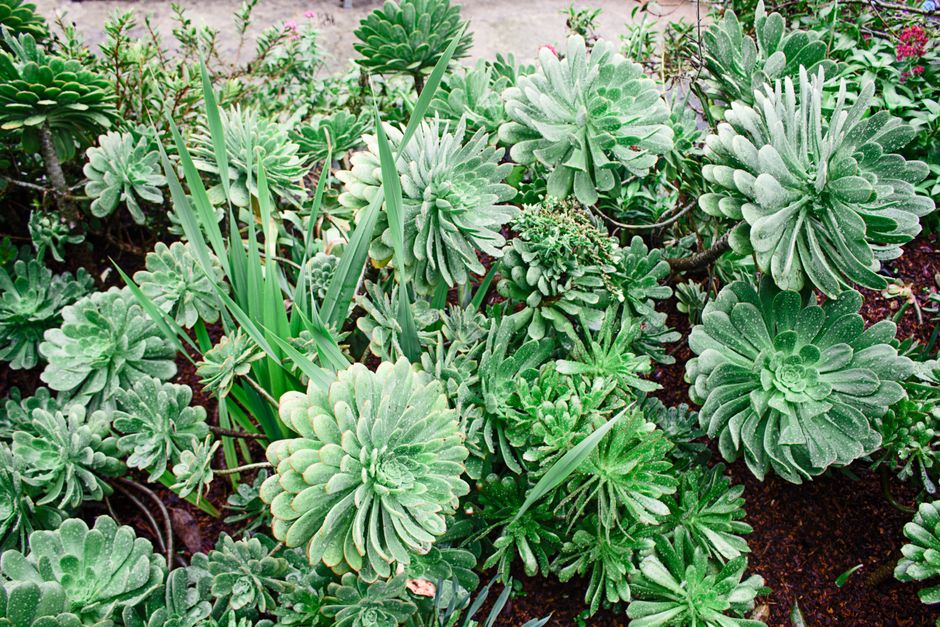
| Grasses and drought-tolerant planting | Natural look, good in sunny spots, limited watering | Less suitable for deep shade | Bright, exposed, or well-drained spaces |
| Container-led planting | Flexible, easy to refresh in small spaces | Containers dry out faster and need more watering | Patios, balconies, compact courtyards |
| Ground-cover-heavy planting | Excellent weed suppression, neat finish | Can take time to establish | Problem borders, slopes, awkward corners |
In many Gipsy Hill gardens, the best answer is a mix. A little structure, a little softness, and a little restraint. Not everything needs to do everything.
If you are working with a patio or courtyard as part of the scheme, it can be worth thinking about taller planting for screening and softness too. A useful related read is tall potted plants for screening, which can complement low-maintenance border planting very well.
Case Study or Real-World Example
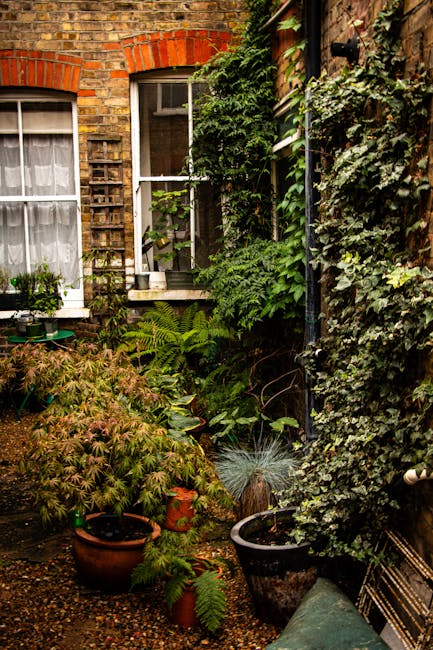
Imagine a typical small Gipsy Hill garden: a narrow back space, a fence line that gets afternoon sun, one damp corner near the house, and a centre area that gets trampled because nobody can quite avoid it. The owners want something attractive but do not want to spend every other weekend maintaining it.
The solution begins by simplifying the layout. The damp corner gets plants that tolerate heavier soil and partial shade. The sunny fence line gets resilient shrubs and drought-tolerant perennials. The middle area is cleared of clutter and edged clearly so it stops becoming a catch-all route. Ground cover is added where bare soil would otherwise invite weeds. A mulch layer goes in after planting. Not glamorous. Very effective.
Over time, the garden becomes easier to live with. The shrubs provide shape even in winter, the perennials return without being replanted, and the ground cover cuts down on constant weeding. There is still a spring cutback and some light summer tidying, but the whole thing feels manageable. That is the real success measure.
What tends to surprise people is how much calmer the space feels when the planting is repeated rather than random. A few repeated forms make the garden feel larger and more coherent. You walk out, glance around, and the place looks settled. A bit like it has finally decided what it wants to be.
Practical Checklist
Use this simple checklist before you plant or replant a low maintenance border:
- Check how much sun and shade the area really gets across the day.
- Test or inspect the soil for dryness, compaction, or poor drainage.
- Choose hardy plants that suit the site, not just the colour scheme.
- Include at least some evergreen structure for winter form.
- Add perennials for seasonal colour without constant replanting.
- Use ground cover or close planting to suppress weeds.
- Mulch after planting to hold moisture and tidy the finish.
- Group plants with similar water needs together.
- Leave enough room for mature growth.
- Plan for a first-year watering routine, then reduce as roots establish.
- Keep the plant palette simple and repeated.
- Build in one or two realistic maintenance sessions a year.
If you can tick most of those boxes, you are already ahead of the game.
Conclusion
Low maintenance planting is not about making a garden boring. Done properly, it makes a garden easier to enjoy because the planting is doing what it should: coping with the site, looking good across the seasons, and not turning into a weekly obligation. For Gipsy Hill gardens, that usually means choosing resilient plants, simplifying the layout, improving the soil, and being honest about how much care you are realistically willing to give.
The nicest gardens often are not the most complicated ones. They are the ones that have been thought through with a calm head and a practical eye. That is what these Gipsy Hill gardeners low maintenance planting tips are really about: less stress, more steady beauty, and a garden that fits your life instead of swallowing it.
If your space needs a reset, a smarter planting plan, or a more manageable maintenance routine, now is a good time to take the next step.
Get a free quote today and see how much you can save.
Sometimes the best garden decision is simply the one that lets you enjoy your tea outside without looking at a to-do list. Nice, that.
Frequently Asked Questions
What are the best low maintenance plants for a Gipsy Hill garden?
The best choices are usually hardy shrubs, reliable perennials, evergreen structure plants, and ground covers that suit your light levels and soil. The "best" plant is the one that thrives where it is placed, not the one with the prettiest label.
How do I make a garden look good with less work?
Start with structure, repeat a small number of plants, mulch the soil, and avoid overcrowding. A simple repeated planting scheme often looks tidier than a busy mix of lots of different varieties.
Do low maintenance gardens still need watering?
Yes, especially while plants are establishing. After that, most low maintenance schemes need less frequent but deeper watering, particularly in dry weather or in sunny, exposed areas.
Is a low maintenance garden the same as a no maintenance garden?
No. A low maintenance garden still needs seasonal pruning, occasional weeding, and basic care. The difference is that the workload is lighter and more predictable.
What should I avoid if I want a low maintenance planting scheme?
Avoid high-maintenance bedding, fragile plants, too much bare soil, and mixtures of plants with completely different water needs. Those choices often create more work than expected.
Can I have a colourful garden and still keep it low maintenance?
Absolutely. The trick is to use long-flowering perennials, shrubs with seasonal interest, grasses, and a few bulbs rather than relying entirely on annuals that need replacing each year.
How often should low maintenance borders be tidied?
Most low maintenance borders benefit from one or two proper tidy-up sessions a year, plus light seasonal attention. The exact schedule depends on the plants and how quickly the space grows.
What is the easiest way to reduce weeds in planted areas?
Use ground cover plants, mulch the soil, and keep the planting dense enough to shade out gaps. Bare soil is an open invitation to weeds, and they do not wait politely.
Are shrubs better than flowers for low maintenance planting?
Shrubs usually give more structure and less day-to-day work, but a mix of shrubs and perennials is often the sweet spot. Flowers alone can look lovely, but they are often more demanding.
How do I know if my garden soil is suitable?
Look at drainage, texture, and compaction. If water sits for a long time, roots may struggle. If the soil is very dry and hard, it may need improvement before planting. A practical on-site assessment is usually more useful than guessing.
Can containers be part of a low maintenance garden?
Yes, but they usually need more watering than in-ground planting. They work best when used selectively, such as for focal points, screening, or adding colour in a small space.
Should I hire professionals for low maintenance planting?
If you want the space designed properly from the start, professional help can save time and reduce expensive mistakes. It is especially useful if your garden has awkward conditions, existing overgrowth, or a layout that needs rethinking.
What is the first step if my garden already feels too high maintenance?
Start by clearing what is not working, then decide which plants deserve to stay. After that, simplify the layout, improve the soil, and replace demanding plants with tougher alternatives. A clean reset is often the easiest route forward.