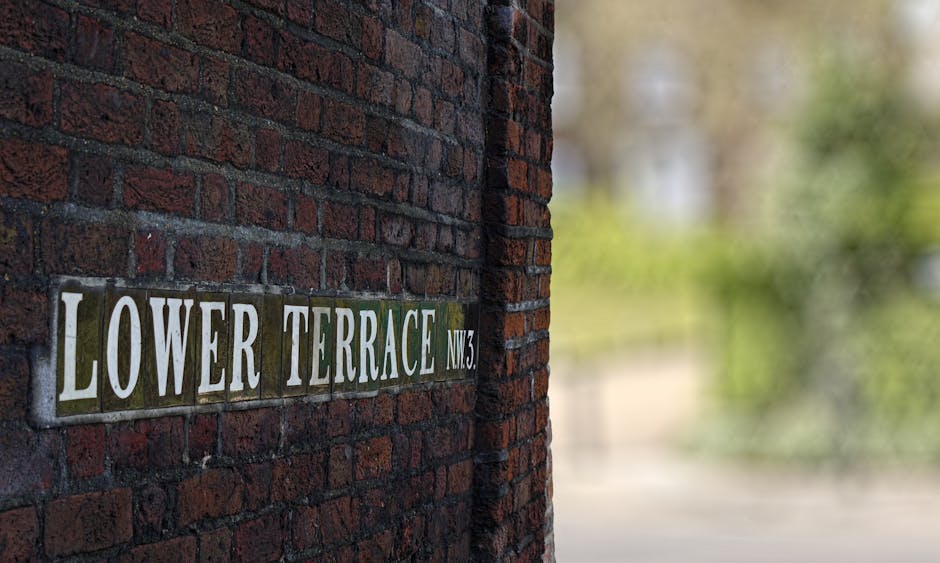
SE19 garden maintenance for terraces near Crystal Palace station
If you live in a terrace near Crystal Palace station, you already know the story: the garden is small, the space is precious, and everything shows. One week of rain, a burst of growth, a few fallen leaves, and suddenly the whole place feels untidy. Good SE19 garden maintenance for terraces near Crystal Palace station is not about overdoing it. It is about keeping a compact outdoor space calm, usable, and easy to enjoy without turning every weekend into a chore.
That can mean regular lawn care, tidy borders, careful hedge trimming, leaf clearance, and a sensible plan for patios, steps, decking, and planting. It can also mean knowing when a terrace garden needs a light seasonal reset rather than a full overhaul. In practice, the best results come from small, consistent jobs done well. Simple, really. But not always easy when life gets busy and the garden is tucked behind the house, half in shade, and full of awkward corners.
This guide breaks down what terrace garden maintenance involves in SE19, why it matters near Crystal Palace station, how the work is typically carried out, and how to choose the right level of care for your space. You will also find practical advice, a checklist, a comparison table, and answers to common questions people genuinely ask.
Table of contents
- Why SE19 garden maintenance for terraces near Crystal Palace station Matters
- How SE19 garden maintenance for terraces near Crystal Palace station Works
- Key Benefits and Practical Advantages
- Who This Is For and When It Makes Sense
- Step-by-Step Guidance
- Expert Tips for Better Results
- Common Mistakes to Avoid
- Tools, Resources and Recommendations
- Law, Compliance, Standards, or Best Practice
- Options, Methods, or Comparison Table
- Case Study or Real-World Example
- Practical Checklist
- Conclusion
- Frequently Asked Questions
Why SE19 garden maintenance for terraces near Crystal Palace station Matters
Terrace gardens near Crystal Palace station tend to be compact, visible, and used hard. A small outdoor space can do a lot of work: morning coffee, a place for children to play, somewhere to dry washing, a bit of privacy, and a pocket of green in an urban setting. When it slips, you feel it quickly. A few weeds in a border become a thicket. A hedge left alone blocks light. A patio with moss gets slippery. You get the idea.
In SE19, the mix of older terraces, narrow side access, mixed sunlight, and local foot traffic means garden upkeep needs to be practical rather than fancy. The best maintenance plans focus on keeping things functional and attractive at the same time. That usually includes pruning, tidying, lawn mowing, weeding, leaf removal, light soil care, and checking for drainage issues after wet weather.
There is also a lifestyle angle. Near the station, many households want an outdoor space that feels ready to use without needing a full day of work before every barbecue or quiet evening outside. Regular maintenance helps a terrace garden stay in that sweet spot: not overmanaged, not wild, just easy.
Expert summary: In a terrace garden, small tasks matter more than dramatic ones. A ten-minute tidy every so often often beats a once-a-season panic clean-up. That is especially true in tighter SE19 plots where every square metre counts.
If your outdoor area includes timber features, raised beds, or hard landscaping, it is sensible to think beyond planting alone. Services such as garden maintenance, lawn mowing, and hedge trimming often work best together, because each one helps the whole space feel finished rather than patchy.
How SE19 garden maintenance for terraces near Crystal Palace station Works
At its best, terrace garden maintenance follows a simple rhythm. First, you look at what the space actually needs. Then you decide whether the job is light upkeep, a seasonal tidy, or something more involved. After that, tasks are carried out in a sensible order so the garden looks better straight away and stays manageable for longer. Not glamorous. Just effective.
A typical visit might start with clearing the surface clutter: leaves, broken stems, weeds in paving cracks, and any green waste that is making the space feel smaller than it is. Next comes the trimming and shaping stage. This may include clipping hedges, neatening edges, cutting back overgrowth, and making sure plants are not rubbing against fences, windows, or paths. If there is lawn, it is cut to the right height and edged properly so the whole area looks cared for rather than simply mown.
In terrace settings, there is often a lot of detail work. Pots may need rearranging. Drains may need checking. Soil can dry out quickly in warm spells, but then sit wet and compacted after heavy rain. Many gardens near Crystal Palace station also have awkward access, so maintenance has to be efficient and tidy from the start. No one wants mud tracked through the house, especially on a drizzly afternoon.
When needed, broader support can include garden clearance for heavily overgrown spaces, or landscape gardening if the layout itself needs improving. If the terrace garden has tired paths, retaining walls, or a seating area that never quite works, landscaping can sit alongside maintenance rather than replace it.
Truth be told, good maintenance is less about doing everything and more about doing the right things in the right order. That is what keeps the garden easy to live with.
Key Benefits and Practical Advantages
The main benefit is obvious: a tidy garden looks better. But the real value goes further than appearance. Regular care helps you use the space more often, reduces the chance of problems building up, and makes a small terrace garden feel surprisingly larger. You notice light and airflow more once the overgrowth is gone. You notice the paving again. You start sitting outside without first thinking, "Oh no, it needs work."
- Better everyday use: A clean terrace garden is easier to enjoy after work, at weekends, or on those bright spring mornings when London actually behaves itself.
- Healthier planting: Regular pruning, feeding, and weeding support stronger growth and reduce stress on shrubs and perennials.
- Safer access: Wet moss, loose debris, and uneven growth can create slip or trip risks on steps and patios.
- More privacy: Controlled hedges and trained plants can soften overlooking windows and boundary lines.
- Less expensive catch-up work: Small, regular jobs usually cost less time and effort than a big restoration after months of neglect.
There is also a subtle property benefit. An outdoor space that looks maintained tends to improve first impressions, whether you are entertaining guests, preparing to sell, or simply trying to feel proud of the place you come home to. And yes, even a narrow courtyard or split-level terrace can make a strong impression when it is clean and balanced.
For homeowners who want ongoing support, a structured visit plan using services overview information can help them understand which tasks belong in routine care and which are more of a one-off project. That distinction saves a lot of head-scratching later.
Who This Is For and When It Makes Sense
This kind of maintenance suits quite a wide group of people, but especially those who live in terraces with limited outdoor space and limited time. If that sounds familiar, you are the target audience, whether your garden is a neat strip behind the house or a slightly awkward split-level space that catches sun in the morning and shade by tea time.
It makes particular sense for:
- busy homeowners who want a presentable garden without spending every Saturday on it
- landlords who need outdoor areas kept in decent condition between tenancies
- families who want the garden safe and usable for children
- older residents who prefer professional help with heavier or repetitive jobs
- people preparing for a move, a sale, or a summer gathering
It also makes sense when the garden has drifted a little. Not a full jungle. Just that mildly scruffy stage where the lawn is patchy, the borders are fuzzy around the edges, and you keep thinking you will sort it next weekend. We have all been there. The problem is next weekend has a habit of disappearing.
For some homes, maintenance is all that is needed. For others, the best starting point is a reset: a tidy-up, clearance, and then ongoing care. If the space has become cluttered with cuttings, old pots, or neglected growth, a one-off garden clearance may be the smarter starting point before routine maintenance begins.
Step-by-Step Guidance
Here is a practical way to think about terrace garden maintenance in SE19. It is simple enough to follow, but it helps to be methodical.
- Start with a quick assessment. Walk the space and note what needs attention: weeds, dead leaves, overgrowth, drainage, broken pots, tired soil, or damaged edging.
- Clear the surface first. Remove litter, leaves, fallen twigs, and any loose debris from paths, patios, and planting areas.
- Cut back growth carefully. Trim hedges, shape shrubs, and remove weak or crossing stems. In tighter gardens, clean lines matter more than you might think.
- Mow and edge where relevant. If there is lawn, mow at the right height and sharpen the edges so the area looks intentional, not scrappy.
- Weed and refresh borders. Deal with weeds before they set seed, then top up mulch or compost if the beds look thin or dry.
- Inspect hard surfaces. Check for moss, algae, slippery patches, and any blockages around drains or channels.
- Tidy the finishing details. Straighten pots, sweep debris, and step back. A few small adjustments can transform the whole feel of the garden.
If the terrace garden has built-in seating, timber edges, or a decked area, maintenance may also include minor repairs or cleaning. In those cases, it is worth pairing routine care with specialist help such as decking services when the surface is weathered, stained, or simply not ageing gracefully. Wood can be a bit dramatic, to be fair.
The key is consistency. A neat, compact garden maintained monthly or seasonally often stays easier to manage than a larger space left to build up mess. That is the quiet advantage of regular attention.
Expert Tips for Better Results
Small terrace gardens reward precision. They do not need endless inputs; they need the right inputs.
- Work from the edges inward. In a small garden, the edges frame everything. Clean borders and sharp lines make the whole space look calmer.
- Do not overcut hedges or shrubs. A hard chop can leave an urban garden looking bare for months. Gentle shaping usually gives a better result.
- Use planting that suits the light. Near Crystal Palace station, some terraces get plenty of sun while others are shaded by buildings and fences. Match the planting to the conditions rather than fighting them.
- Keep a light-touch routine in spring and summer. Growth can accelerate quickly after rain and warmer weather. A little frequent attention is easier than trying to catch up later.
- Watch for drainage issues. Water pooling near steps, patios, or walls is one of those problems that starts small and becomes annoying fast.
- Store tools properly. A tidy shed or storage corner saves time and stops the garden being cluttered by bits and pieces. Seems obvious, but it really helps.
One useful habit is to look at the garden at different times of day. Morning light can show you dead patches or uneven edges that you miss in the evening. After rain, you can spot drainage or moss issues much more easily. A terrace garden changes character with the weather. So should your maintenance plan.
If sustainability matters to you, ask about waste handling and greener practices. A sensible approach to trimming, composting, and green waste disposal supports a more responsible routine, especially when you are doing maintenance throughout the year. You can also explore recycling and sustainability for a clearer sense of how a responsible service thinks about garden waste.
Common Mistakes to Avoid
Terrace gardens are easy to misjudge. Because they are small, people often assume they need less care overall. In reality, they can need more attention in certain areas because the margin for mess is smaller. One untidy corner can make the whole place feel off.
- Letting weeds settle in: In paving joints, cracks, and border edges, weeds are easier to remove early. Wait too long and they become stubborn.
- Cutting too much at once: Heavy pruning can shock plants and leave the space looking harsh.
- Ignoring slippery surfaces: Patios and steps near shaded walls can become mossy quickly. This is more than a cosmetic issue.
- Filling the garden with too many objects: Too many pots, chairs, and ornaments can make a small terrace feel cramped.
- Forgetting access routes: Narrow side returns, shared paths, and rear access all need to stay clear. Otherwise every job becomes awkward.
- Waiting for a "big tidy-up day": Those days are great in theory. Less great when the weather changes, or life does. A bit at a time tends to win.
Another common mistake is treating maintenance as separate from the design of the space. If a garden is awkward to mow, hard to reach, or badly laid out, even the best upkeep will feel harder than it should. That is where a conversation about landscaping or broader planning can genuinely help.
Tools, Resources and Recommendations
You do not need a van full of specialist kit to keep a terrace garden in decent shape. In fact, too many tools can create more clutter than value. A compact set usually does the job better.
- Hand shears or hedge trimmers: Useful for shaping shrubs, clipping soft growth, and tidying edges.
- Leaf rake and stiff broom: Essential for clearing patios, paths, and small borders.
- Secateurs: Good for deadheading, light pruning, and removing awkward stems cleanly.
- Spade and hand fork: Handy for weeding and refreshing soil in tighter beds.
- Wheelbarrow or collection bags: Helps move clippings and debris without endless trips through the house.
- Gloves and sturdy footwear: Basic, but worth saying. Slippery surfaces and hidden thorns are not a joke.
For larger jobs, especially if the garden has become crowded or overgrown, it may be more efficient to bring in professional help rather than tackle everything yourself. A service that combines routine maintenance with targeted tasks like lawn mowing or hedge trimming can often keep the work moving in a single visit. Less faff, more result.
If you are comparing providers, it can also help to understand how quotes are put together and what is included. Transparent pricing and quotes information is useful because terrace garden work varies a lot depending on access, waste volume, and the level of finish required.
Law, Compliance, Standards, or Best Practice
Most terrace garden maintenance is straightforward, but there are still sensible standards to keep in mind. If work involves ladders, power tools, heavy lifting, or removal of larger branches, it should be carried out carefully and in line with ordinary UK health and safety expectations. That means proper risk awareness, suitable equipment, and not taking unnecessary shortcuts. Common sense, really, but worth stating.
For shared terraces, boundaries and access arrangements should be respected. If you are in a terrace with side returns, shared passageways, or close neighbours, it is courteous to avoid blocking paths and to keep noise and waste under control. In tight residential areas, good communication goes a long way.
If tree work is involved, especially where branches are large, unstable, or close to structures, that is usually a job for specialists rather than a quick trim. In those cases, tree lopping and removal may be the more appropriate route, but only when the issue genuinely calls for it. A measured approach matters because trees are a bit like old furniture: remove too much and you can regret it later.
It is also worth paying attention to service trust signals. A provider should be clear about safety practices, insurance, and how work is carried out. The details may not feel exciting, yet they are part of a reliable experience. You can usually judge a lot from how openly a business explains its insurance and safety approach and its health and safety policy. That kind of clarity is reassuring for a reason.
Options, Methods, or Comparison Table
Different terrace gardens need different levels of care. Here is a simple comparison to help you decide what makes the most sense.
| Approach | Best for | Typical strengths | Watch-outs |
|---|---|---|---|
| DIY maintenance | Small gardens with light growth and flexible owners | Low cost, quick touch-ups, full control | Can slip if time runs short; larger jobs can become tiring |
| Regular professional maintenance | Busy households, landlords, and anyone wanting consistency | Reliable upkeep, better finish, fewer build-ups | Needs a recurring budget and clear expectations |
| One-off seasonal tidy | Gardens that are mostly fine but need a reset | Fast visual improvement, useful before events or moves | Problems may return if no follow-up is planned |
| Clearance plus maintenance | Overgrown or neglected terrace gardens | Strong before-and-after difference, better starting point | More intensive at the beginning; can take longer |
For many SE19 terraces, the smartest option is not either-or. It is a mix. A one-off tidy to get on top of the worst areas, followed by light ongoing maintenance to keep the space under control. That approach works well when a garden has been neglected through winter or simply got away from you during a busy spell.
If the layout feels outdated or awkward to maintain, combining upkeep with a design refresh can make a huge difference. In those cases, landscape gardening may offer more value than repeatedly fixing the same maintenance headache.
Case Study or Real-World Example
Imagine a typical terrace garden a short walk from Crystal Palace station: narrow, east-facing, with a small lawn, a paved seating area, and a fence line softened by climbing plants. For months, it has been left to do its own thing. A few weeds have taken hold. The hedge has grown too wide. Leaves have gathered in corners. Nothing disastrous, just a bit weary.
The first visit focuses on reset work. Debris is cleared, borders are weeded, the hedge is trimmed back to restore shape, and the lawn is cut cleanly. The paving is swept and the worst moss is dealt with. Once the garden looks lighter and easier to move through, the owner can actually see what it needs next. That is often the turning point. Suddenly it is not "a problem garden" any more. It is just a garden again.
Then the next few visits are lighter. A quick cut, a tidy edge, a check on the borders, and some attention to the climbing plants. Nothing dramatic. Yet the space stays ready to use, and the owner is no longer facing a big seasonal rescue every few months. That is usually the hidden value of maintenance: it reduces mental load, not just physical work.
In a terrace setting, that can be the difference between a garden you avoid and one you quietly enjoy. Small change, big feeling.
Practical Checklist
Use this quick checklist before and after maintenance visits. It is a practical one, not a perfect one.
- Check paths, steps, and patio surfaces for moss or loose debris
- Remove weeds from borders and paving joints
- Trim hedges and shrubs so they do not crowd windows or walkways
- Mow the lawn if there is one, and tidy the edges
- Clear fallen leaves, twigs, and dead plant material
- Inspect drainage points and make sure water can flow away properly
- Review plant health and remove damaged or diseased growth where necessary
- Sweep and reset seating areas so the garden feels usable straight away
- Decide whether the space needs a one-off clearance or just routine upkeep
- Book the next maintenance point before the garden drifts again
If your terrace garden regularly produces more green waste than you can comfortably manage, it may be worth asking about disposal and site tidying as part of the visit. That can keep the process smoother and avoid the awkward pile-up at the back gate. Not glamorous, but very useful.
Get a free quote today and see how much you can save.
Conclusion
SE19 terrace gardens near Crystal Palace station work best when they are treated as living spaces, not just patches of outdoor ground. The right maintenance keeps them tidy, safe, and easy to use without turning care into a burden. Start with the basics, stay consistent, and make sure the work matches the size and shape of the space.
Whether your garden needs a light tidy, a seasonal reset, or ongoing support, the best outcome is usually the same: a space that feels calmer the moment you step outside. And honestly, that little bit of calm matters more than people sometimes admit.
When your terrace garden is looked after properly, it gives something back every day.
Frequently Asked Questions
What does SE19 garden maintenance for terraces near Crystal Palace station usually include?
It usually includes weeding, hedge trimming, lawn mowing, leaf clearance, deadheading, border tidying, and general cleaning of paths or patios. For some gardens, it also includes light pruning and seasonal resets.
How often should a terrace garden near Crystal Palace station be maintained?
That depends on the planting and how often the space is used, but many terrace gardens benefit from regular attention throughout the growing season. Small, frequent visits often work better than waiting for a big catch-up.
Is professional maintenance worth it for a small garden?
Yes, often it is. Small gardens can be deceptively time-consuming because every detail is visible. Professional upkeep can save time and keep the space looking neat without the stress of tackling everything yourself.
Can a neglected terrace garden be restored without redoing everything?
In many cases, yes. A good clearance and tidy-up can transform a garden without needing a full redesign. If the layout itself is the problem, though, some landscaping input may make longer-term maintenance easier.
What is the difference between garden clearance and garden maintenance?
Garden clearance is the heavier reset work: removing overgrowth, clutter, and built-up debris. Maintenance is the ongoing care that keeps the garden in good condition after that first clean-up.
Do terrace gardens need different care from larger gardens?
Usually, yes. Terrace gardens often have tighter access, more shade or reflected heat, and less room for error. They need careful shaping and a tidy finish because the space is more compact and more exposed to visual clutter.
What should I do if my patio gets slippery?
First, remove debris and surface moss carefully. If the area keeps becoming slippery, it may need deeper cleaning or a review of drainage and shade. It is one of those issues that seems minor until someone nearly slips.
Can garden maintenance include lawns, hedges, and decking?
Yes, it can. A maintenance plan often includes lawn mowing, hedge trimming, and, where relevant, support for timber surfaces through decking services.
How do I know whether I need landscaping or just maintenance?
If the garden already works well but needs tidying, maintenance is usually enough. If access, layout, drainage, or hard landscaping is making the garden awkward to use, then landscaping may be a better long-term fix.
Are there safety considerations for terrace garden work?
Yes. Uneven surfaces, slippery paving, awkward access, and tool handling all need attention. Good providers should work with care and clear safety practices, especially when lifting debris or cutting larger growth.
What is the best first step if my terrace garden is overgrown?
Start with a clearance and assessment. Once the space is visible again, it is easier to decide whether you need routine maintenance, targeted pruning, or something more involved.
How can I keep costs sensible over time?
Keep maintenance regular, agree on the scope clearly, and deal with issues before they become bigger jobs. In most cases, small routine visits are far easier to manage than occasional large recoveries.
For readers who want to understand the business a little better before booking, it can help to review the company's about us page, check the terms and conditions, and make sure the process feels straightforward from the outset. If you are ready to talk through your garden, contact the team and ask what would suit your terrace best.
Good garden care is one of those quiet wins. You feel it every time you step outside.